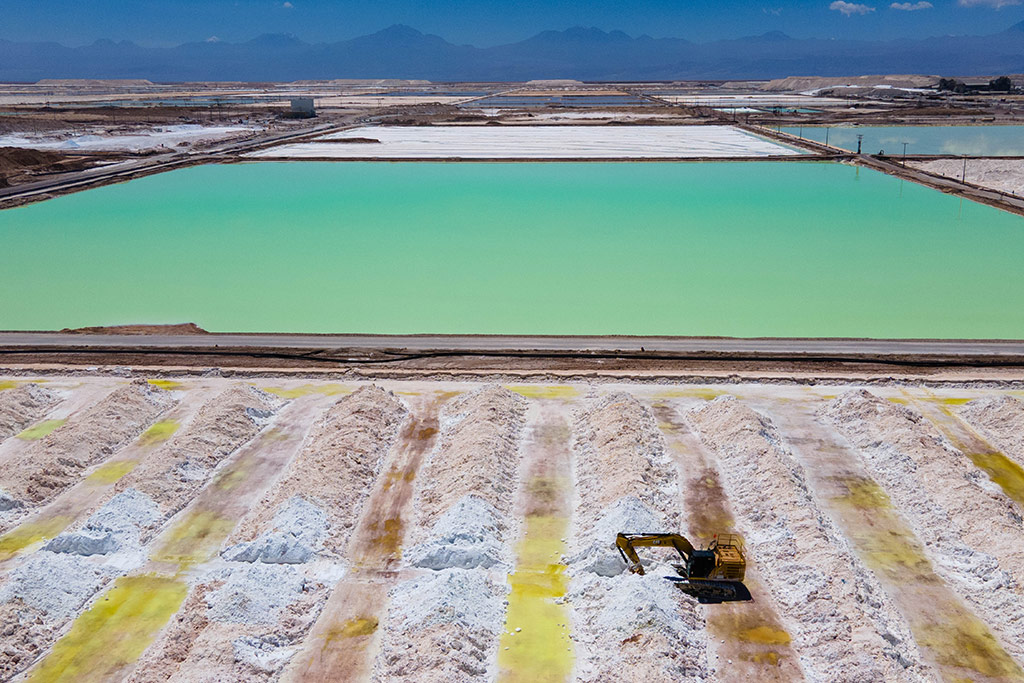
We are moving towards a more transparent water management system that is in balance with the Atacama Salt Flat.
Water resources

We manage water responsibly
Caring for water is also part of how we do things. We work on responsible water management , focused on reducing continental water consumption and moving towards more sustainable operations in the Atacama Salt Flat.
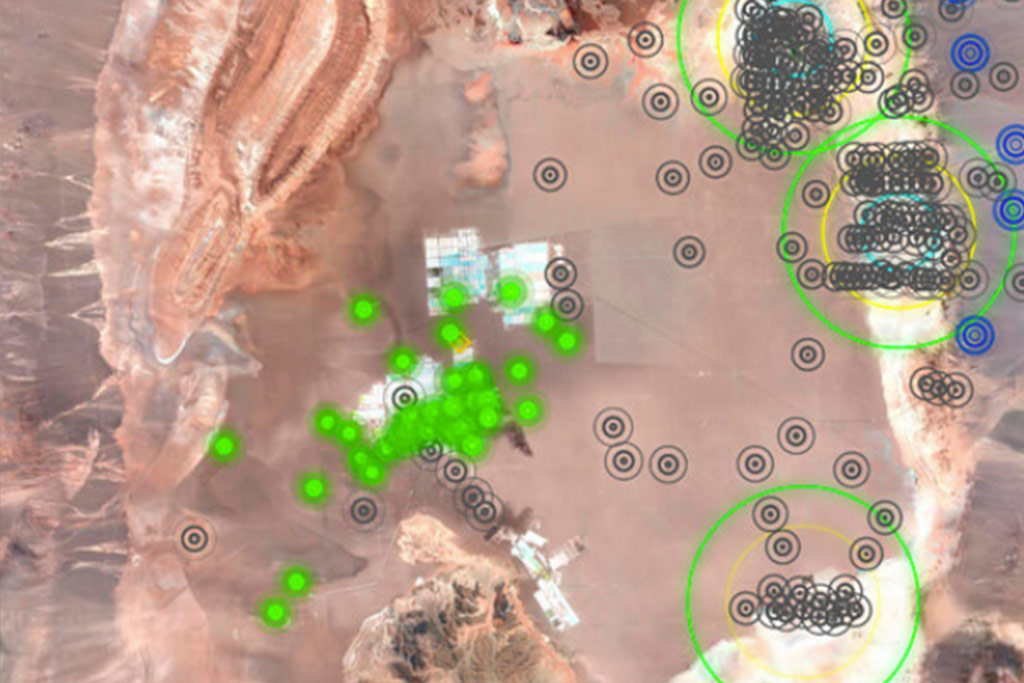
This commitment is part of our Sustainability Plan , which guides our actions with clear goals aligned with global standards. Furthermore, we have a public Environmental Monitoring system that allows us to track brine and water usage daily , ensuring transparent, traceable, and verifiable resource management.
Our way of taking care of water
Managing water responsibly is not just a goal, it's a way of operating. That's why we promote concrete actions that allow us to use the resource more efficiently, reduce our impact, and move forward with transparency.
Advances in the responsible use of water
Our commitment to water translates into concrete goals and measurable results. This is how we are moving towards increasingly responsible operations in the Atacama Salt Flat:
Our water footprint supports our commitment
We assessed our water footprint using international standards, through an external analysis based on ISO 14040 and ISO 14044 and Life Cycle Assessment (LCA) . The results confirm that our operations in the Atacama Salt Flat have a significantly low blue water footprint compared to other industries.
This is largely explained by how we produce : we use energy from mostly renewable sources (more than 95,8% ) to concentrate the brine, along with management focused on reducing the use of continental water and optimizing each process.