

FIN9000.00
Lithium carbonate, 99% min Li2CO3
Technical Grade - Powder 99% min

Lithium carbonate is used in the manufacture of lithium-ion batteries, used in both portable equipment and electric vehicles, thanks to its stability and purity.
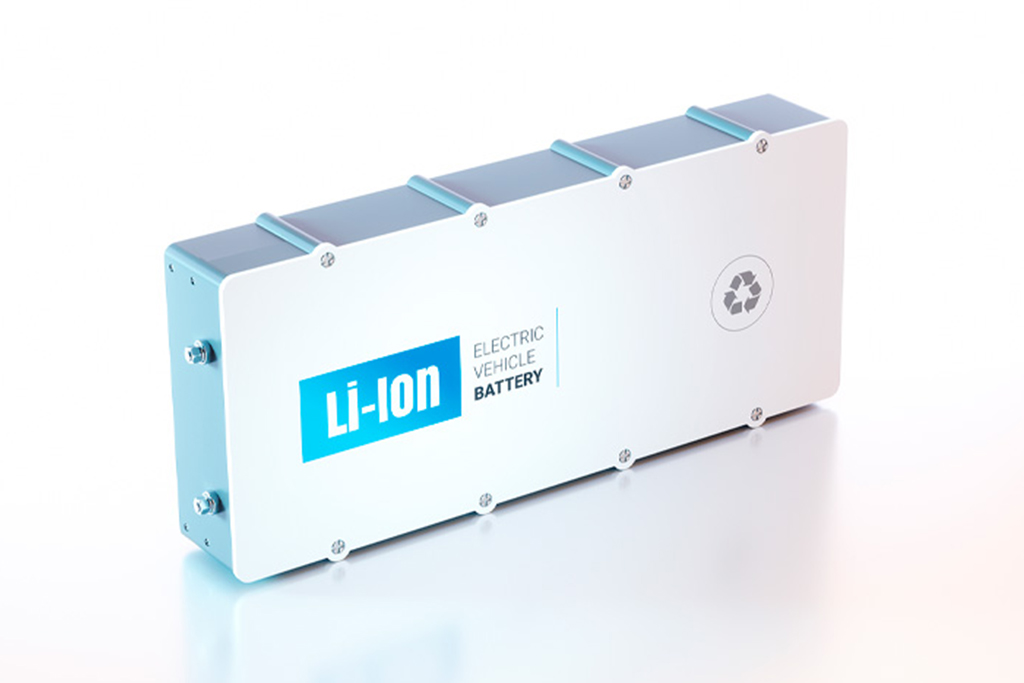
Our lithium carbonate is a key input for the manufacture of cathode materials in lithium-ion batteries . Thanks to its high purity and stability , it allows for the production of lighter, more efficient batteries with longer cycle life.
In this way, our carbonate drives electric mobility and the storage of renewable energy, bringing innovation and sustainability to every charge.
Both lithium carbonate (Li₂CO₃) and lithium hydroxide (LiOH) are used in the manufacture of lithium-ion batteries , but each is better suited to different types of cathodes and end applications.
Lithium carbonate is ideal for producing batteries with LFP (lithium iron phosphate) and NMC cathodes with low nickel content. These batteries are characterized by their thermal safety, long lifespan, and lower cost , making them commonly used in electronic devices, stationary energy storage, and mid-range electric vehicles.
In contrast, lithium hydroxide is preferred for manufacturing high-nickel cathodes, such as NMC811 or NCA , which allow for greater energy density. This results in lighter batteries with longer ranges , making them particularly attractive for high-end electric vehicles, electric buses, and commercial fleets that require long distances per charge. Its higher purity and ability to operate at lower temperatures during synthesis also improve the overall battery performance.
Therefore, lithium carbonate is used in batteries where stability and cost efficiency are paramount, while lithium hydroxide is key for high-performance, long-range batteries, especially in the automotive sector.
FIN9000.00
Lithium carbonate, 99% min Li2CO3
Technical Grade - Powder 99% min
FIN9500.00
Lithium carbonate, 99% min Li2CO3
Lithium carbonate is a white, odorless salt composed of lithium, carbon, and oxygen, with the chemical formula Li₂CO₃. It is used in various applications such as the production of lithium-ion batteries, ceramics, specialty glasses, lubricants, and in the synthesis of chemical compounds.
En Novandino Litio We produce high-purity lithium carbonate, with a minimum of 99%. The lithium is obtained from the brine of the Atacama Salt Flat in northern Chile and is then processed in our production plants in Antofagasta using various chemical processes that allow us to achieve the quality required by the industry.
Our technical lithium carbonate is supplied to customers all over the world, contributing to key industrial applications, from the manufacture of batteries for electric vehicles and electronic devices to inputs for ceramics and specialty glasses.
MIC8900.00
Technical lithium carbonate, 99.0% min Li2CO3
Technical Grade -Micronized 99%
MIC9000.00
Lithium carbonate, 99.2% min Li2CO3
Battery Grade – Micronized – 99.2% min